
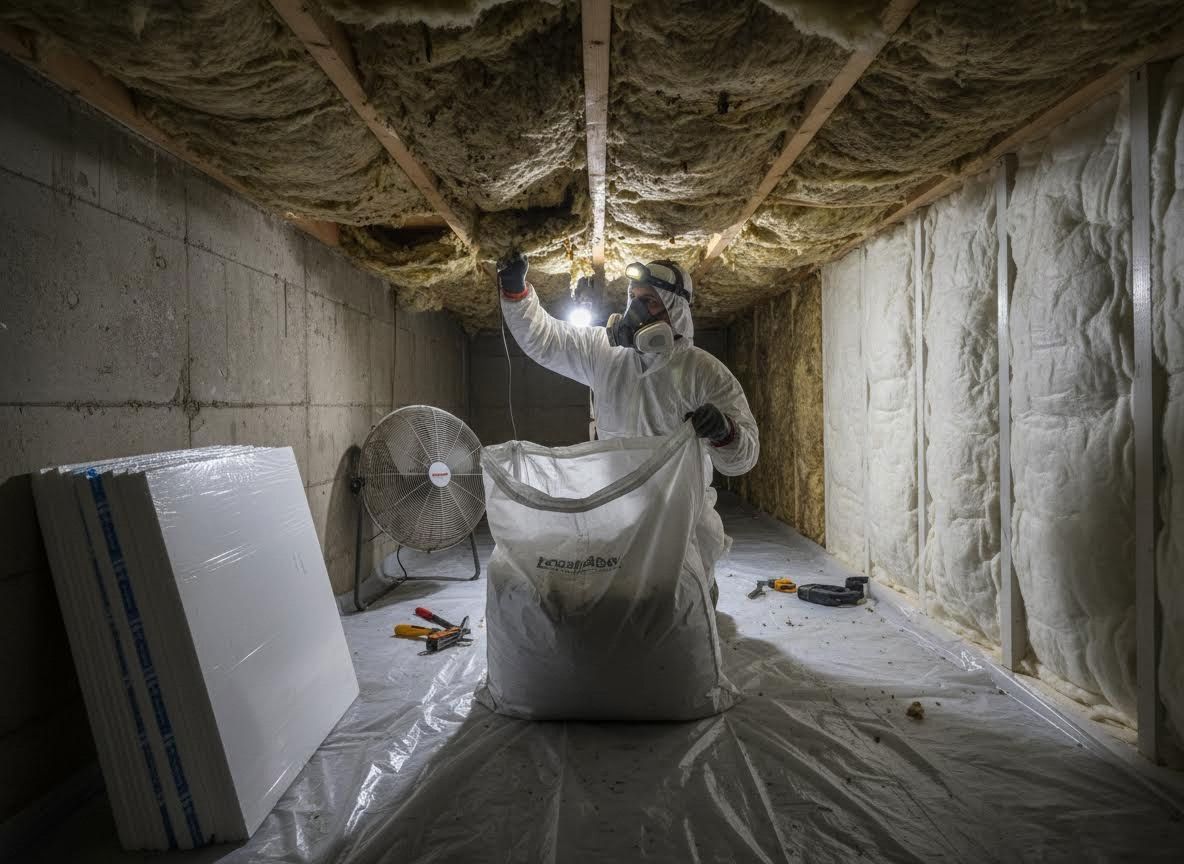
Maintaining a healthy and energy-efficient home often starts from the ground up, specifically in your crawl space. Over time, the insulation in this critical area can degrade, leading to a host of issues for your property. This guide from Elite Moisture Control will walk you through the essential steps and considerations for effective crawl space insulation removal and replacement, ensuring your home remains comfortable and protected. Understanding this process is key to preventing bigger problems down the line.
Why Your Crawl Space Insulation Needs Attention
The insulation in your crawl space is crucial for regulating your home's temperature and preventing moisture-related damage. However, various factors can compromise its effectiveness, leading to a need for replacement. Common culprits include water damage from leaks or high humidity, pest infestations (rodents love to nest in insulation), and general wear and tear over decades. When insulation becomes damp, compressed, or contaminated, it loses its R-value, meaning it no longer insulates effectively. This can contribute significantly to home moisture problems, leading to higher energy bills, uncomfortable indoor temperatures, and even structural issues if left unaddressed.
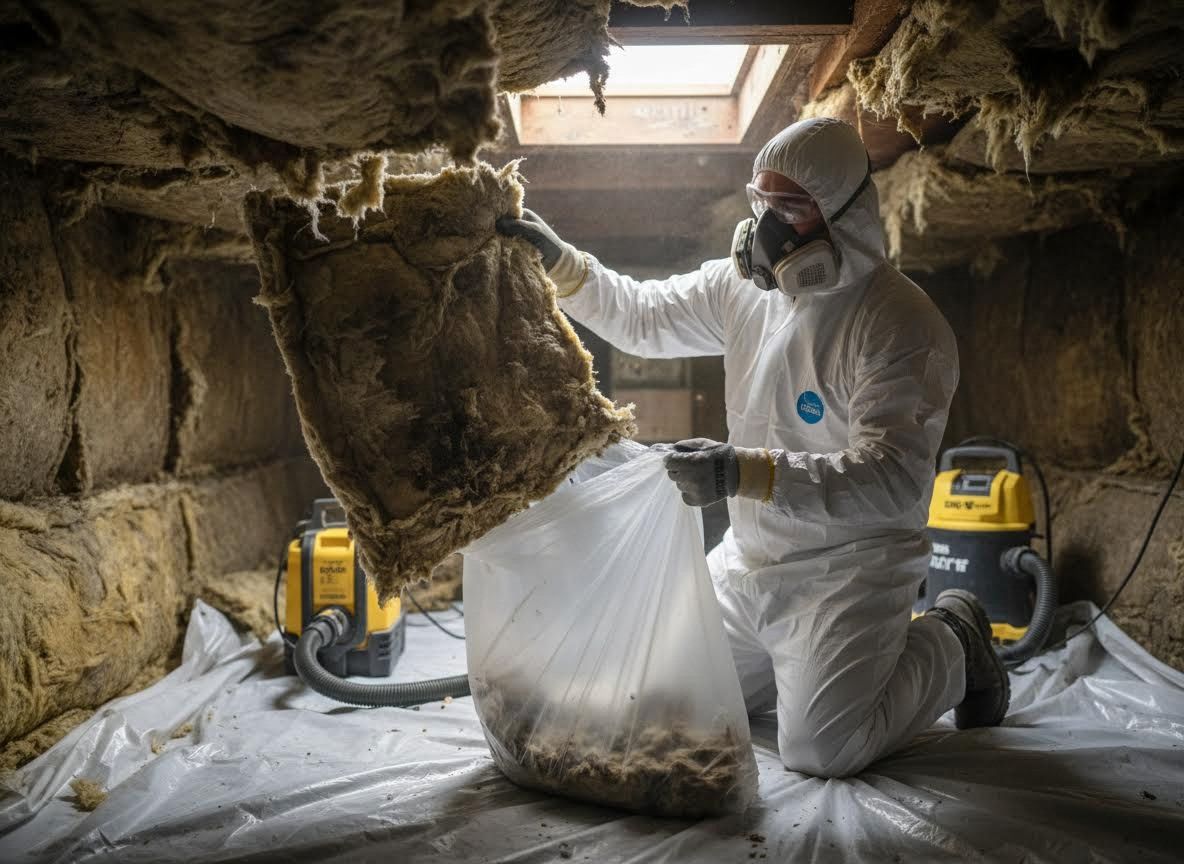
The Process of Removing Old Insulation Safely
Removing old crawl space insulation is more than just pulling it out; it requires careful planning and execution to ensure safety and prevent further contamination. Professional contractors typically begin by assessing the type and condition of the existing crawl space insulation. Specialized equipment, including protective gear, is used to safely remove old, potentially hazardous materials, especially if mold, mildew, or pest droppings are present. Proper containment and disposal methods are crucial to prevent allergens, mold spores, or pest residues from spreading into the living areas of your home or contaminating the surrounding environment.
Installing New, Effective Crawl Space Insulation
Once the old materials are thoroughly removed and the area is cleaned and prepped, the installation of new crawl space insulation can begin. There are several types of insulation suitable for crawl spaces, each with its own benefits, such as fiberglass batts, rigid foam boards, or spray foam. The choice often depends on factors like climate, budget, and the specific moisture conditions of your crawl space. Proper installation ensures that there are no gaps or areas where air can escape, maximizing energy efficiency. For optimal protection against moisture and pests, many homeowners opt for a sealed crawl space, which involves encapsulating the area before installing new insulation.
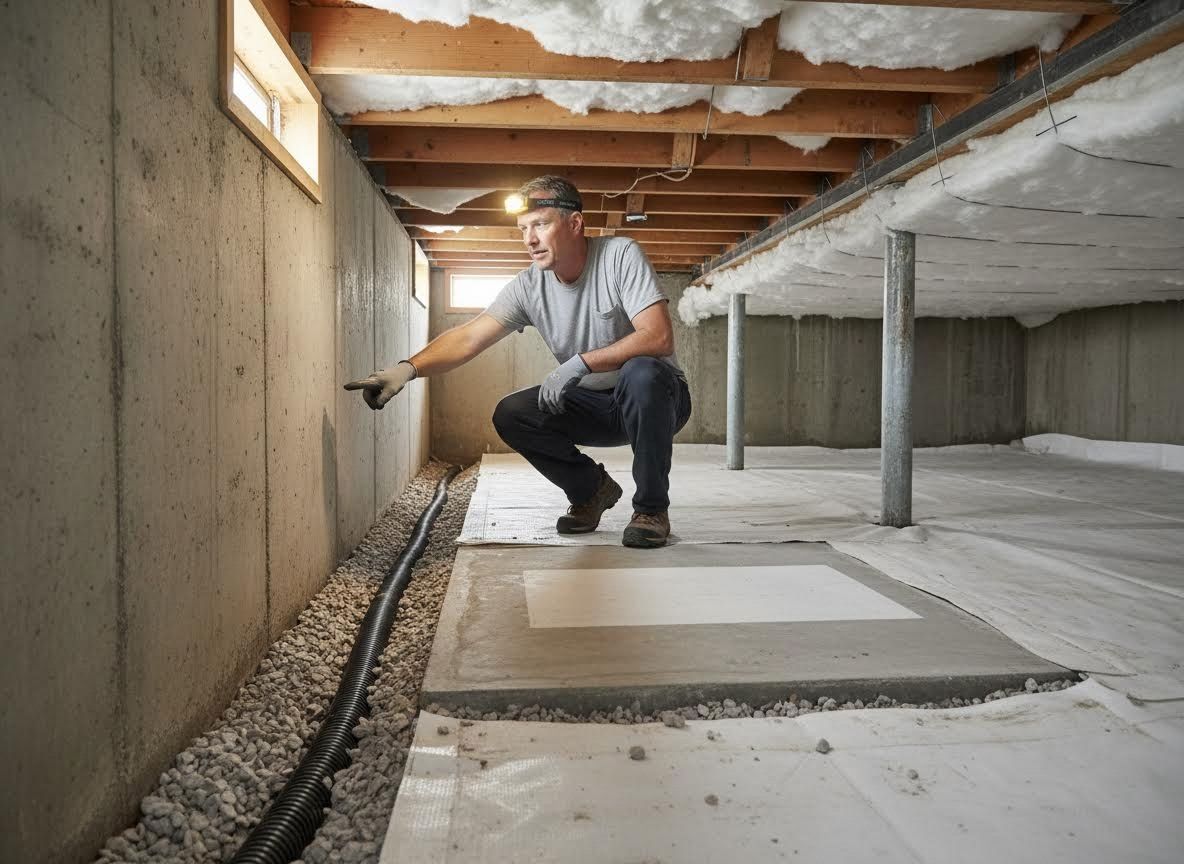
Addressing Underlying Issues for Long-Term Solutions
While replacing crawl space insulation is a significant step, it's equally important to address any underlying issues that caused the original insulation to fail. For example, persistent water intrusion may require solutions such as french drain installation around the perimeter of your home to divert water away. If your foundation or concrete slabs around the crawl space are settling or uneven, concrete leveling can prevent water from pooling and entering the crawl space. By tackling these root causes, you can create a dry, stable environment that protects your new insulation and the rest of your home for years to come.
Proper crawl space insulation is an investment in your home's health, comfort, and energy efficiency. From identifying the signs of failing insulation to understanding the safe removal and effective replacement process, each step is vital. By also addressing root causes like excessive moisture with services such as a sealed crawl space, you ensure lasting protection. To learn more about how Elite Moisture Control can help you assess your crawl space insulation needs and provide comprehensive solutions, we invite you to contact us today.