
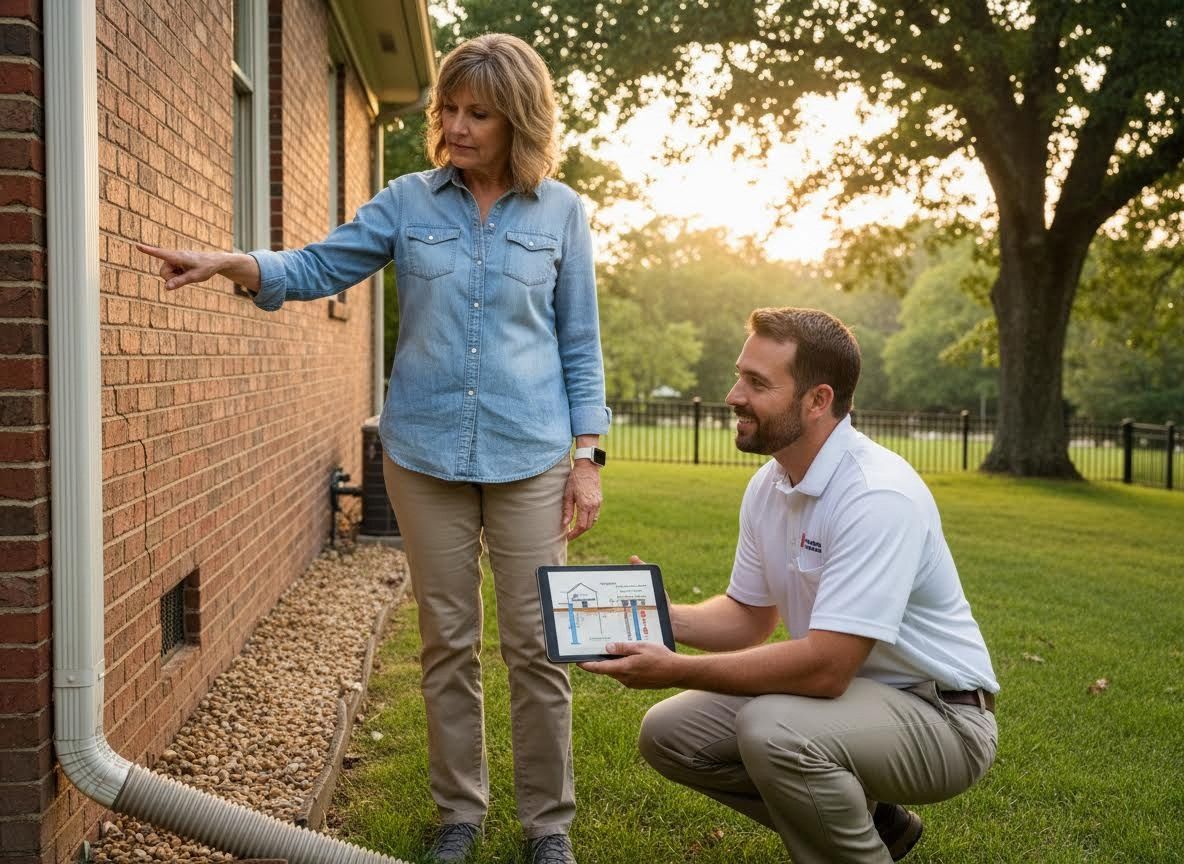
A stable foundation is the bedrock of any North Carolina home, providing essential support and protecting its structural integrity. When foundation issues arise, they can be a source of significant stress for homeowners, leading to problems ranging from minor cracks to major structural damage. Understanding the various foundation lifting methods available is crucial for anyone facing such challenges, and at Elite Moisture Control, we're committed to helping you navigate these complex repairs with confidence.
Identifying Foundation Issues and Their Causes
Recognizing the early signs of foundation trouble can save homeowners from more extensive repairs down the line. Common indicators include cracks in walls, floors, or the foundation itself, uneven or sloping floors, sticking doors and windows, and gaps between walls and ceilings. These issues often stem from several factors, with soil movement being a primary culprit. Expansive clay soils, common in many regions, can swell when wet and shrink when dry, placing immense pressure on foundations. Poor drainage around the home, allowing for persistent home moisture problems, can exacerbate these conditions by causing soil erosion or oversaturation. Tree roots growing too close to the foundation can also draw moisture from the soil, leading to localized drying and settlement.
Common Foundation Lifting and Stabilization Techniques
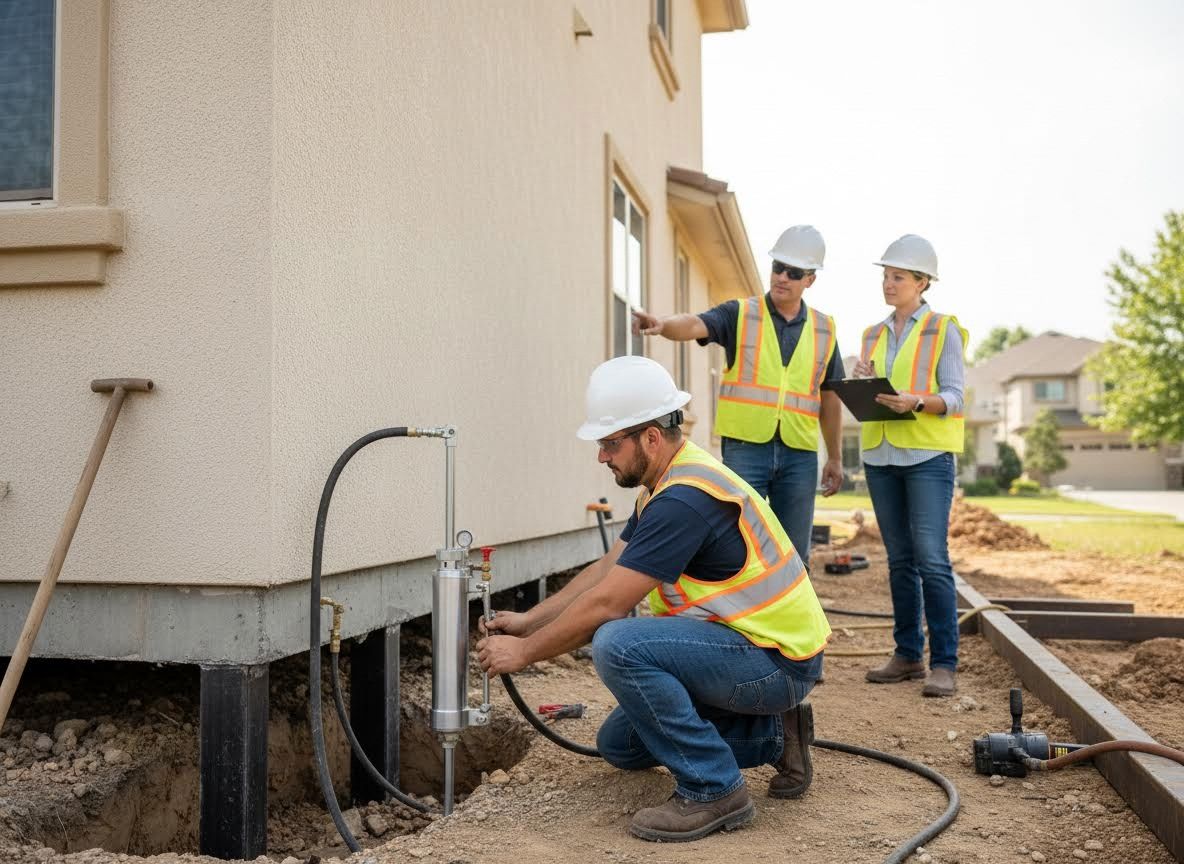
When it comes to correcting a settling or damaged foundation, several proven methods are employed, each suited to different types of issues and foundation structures. One widely used technique involves the installation of piers or pilings beneath the foundation. These can be steel push piers, helical piers, or concrete piers, driven deep into the ground until they reach stable soil or bedrock, effectively lifting and stabilizing the structure. Another method, often used for concrete slabs, is slab jacking or mud jacking, where a slurry mix is injected beneath the slab to raise it back to its original position. For smaller areas or uneven concrete surfaces like driveways or patios, concrete leveling can restore stability and appearance without full replacement. The choice of method depends heavily on the specific foundation type, soil conditions, and the extent of the damage.
Preventing Future Foundation Problems Through Water Management
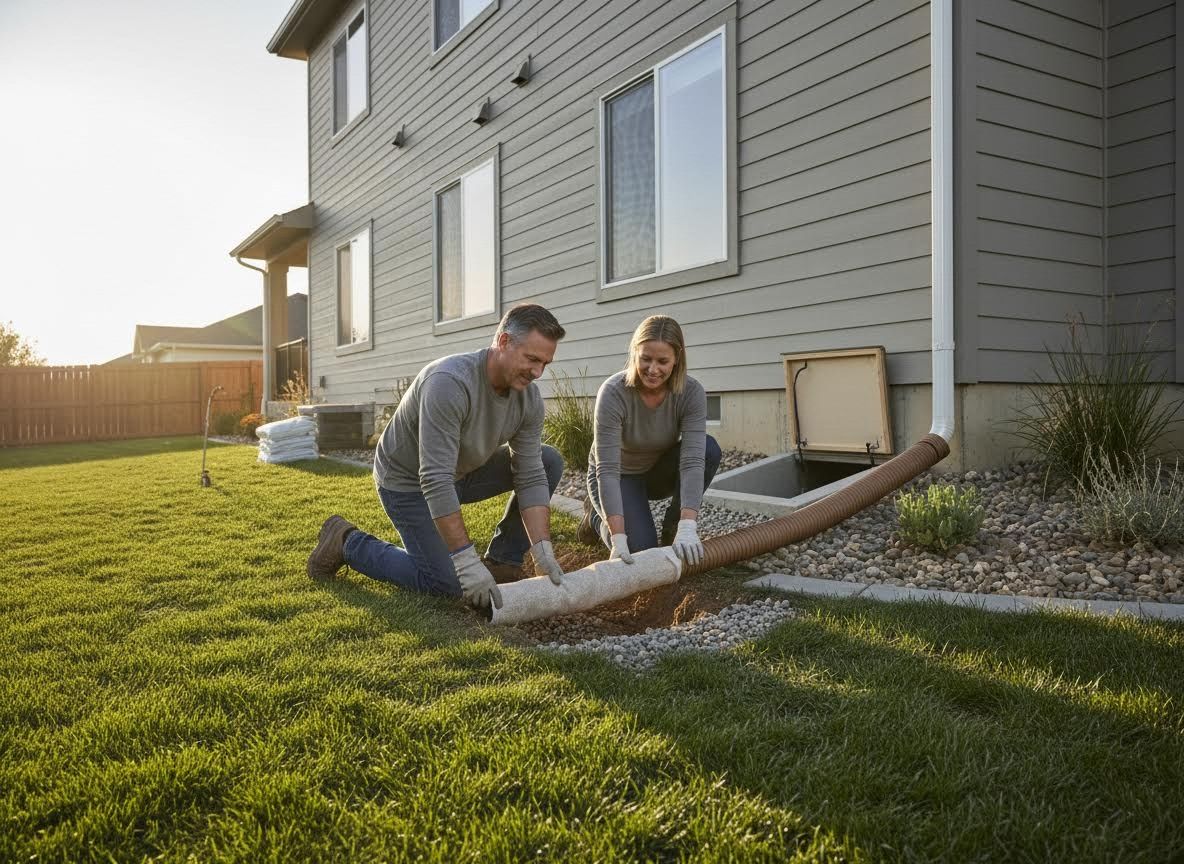
Addressing the immediate problem of a settling foundation is critical, but preventing recurrence is equally important. Effective water management around your home is key. Poor drainage is a significant contributor to foundation distress, as excess water can erode soil, oversaturate expansive clays, or even seep into basements and crawl spaces. Installing a french drain system can redirect water away from your foundation, mitigating hydrostatic pressure and reducing soil erosion. Furthermore, inspecting and extending downspouts to carry rainwater far from the house perimeter is a simple yet effective measure. For homes with crawl spaces, ensuring proper crawl space insulation and maintaining a sealed crawl space environment helps regulate moisture and temperature, protecting the foundation wood and concrete from deterioration caused by dampness.
A stable foundation is non-negotiable for the safety and longevity of your home, and while the thought of foundation repair can be daunting, understanding the solutions available makes the process less intimidating. By addressing issues promptly and implementing preventative measures, you protect your investment and ensure peace of mind. To learn more about comprehensive foundation repair solutions tailored to your home's unique needs, explore the resources available with our team.