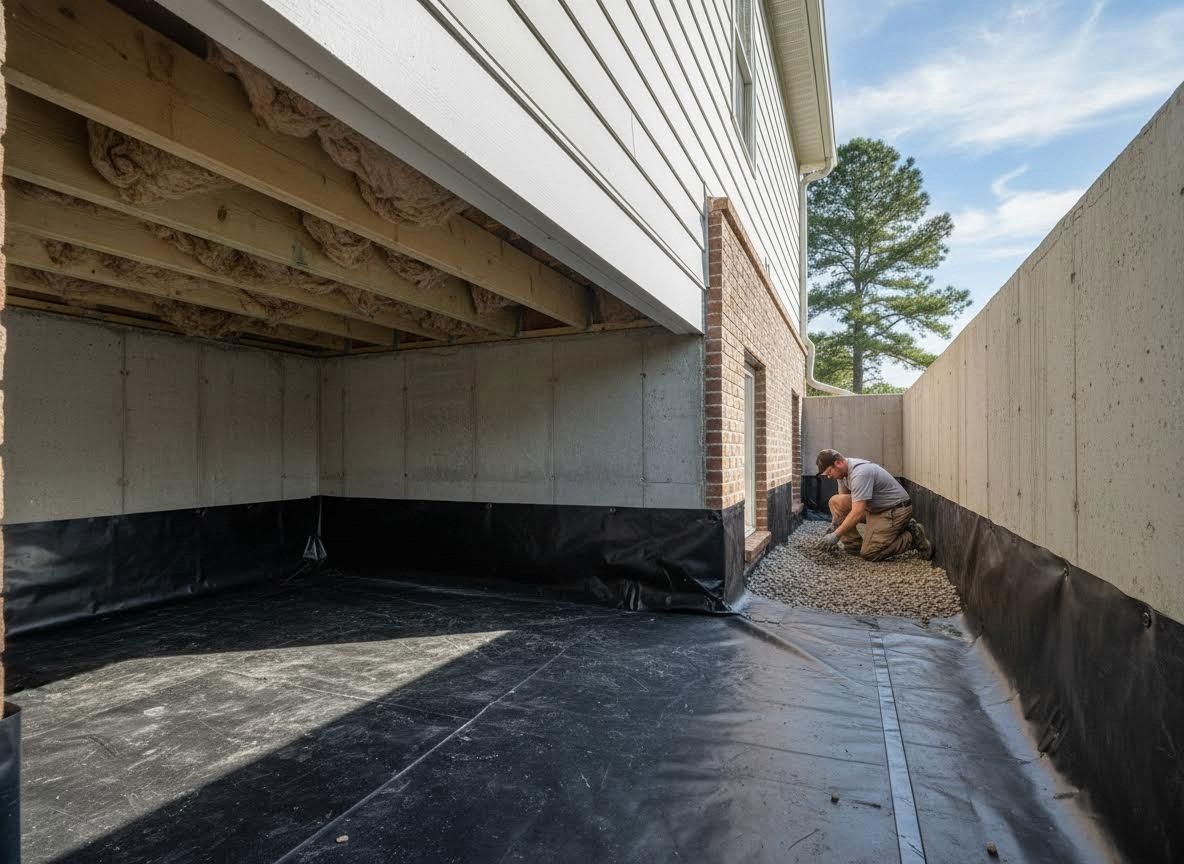
North Carolina homes, with their unique climate challenges, often face a silent but significant threat: moisture in the crawl space. This common issue can lead to a myriad of problems, impacting everything from your home’s structural integrity to your family's health. At Elite Moisture Control, we understand the specific conditions that make your home vulnerable and are dedicated to providing comprehensive solutions to safeguard your property. This blog post will explore the reasons behind crawl space moisture and outline effective strategies to keep your home dry and healthy.
The Hidden Dangers of a Damp Crawl Space
The humid climate of North Carolina creates an ideal environment for home moisture problems, especially in unconditioned crawl spaces. When moisture accumulates, it doesn't just stay in the crawl space; it can permeate throughout your entire home. This dampness fosters the growth of mold and mildew, leading to compromised indoor air quality and potential respiratory issues for occupants. Furthermore, consistent moisture can cause wood rot in floor joists and subflooring, attracting pests like termites and rodents, which can cause extensive damage and significantly undermine your home's structural stability.
Comprehensive Solutions for Moisture Control
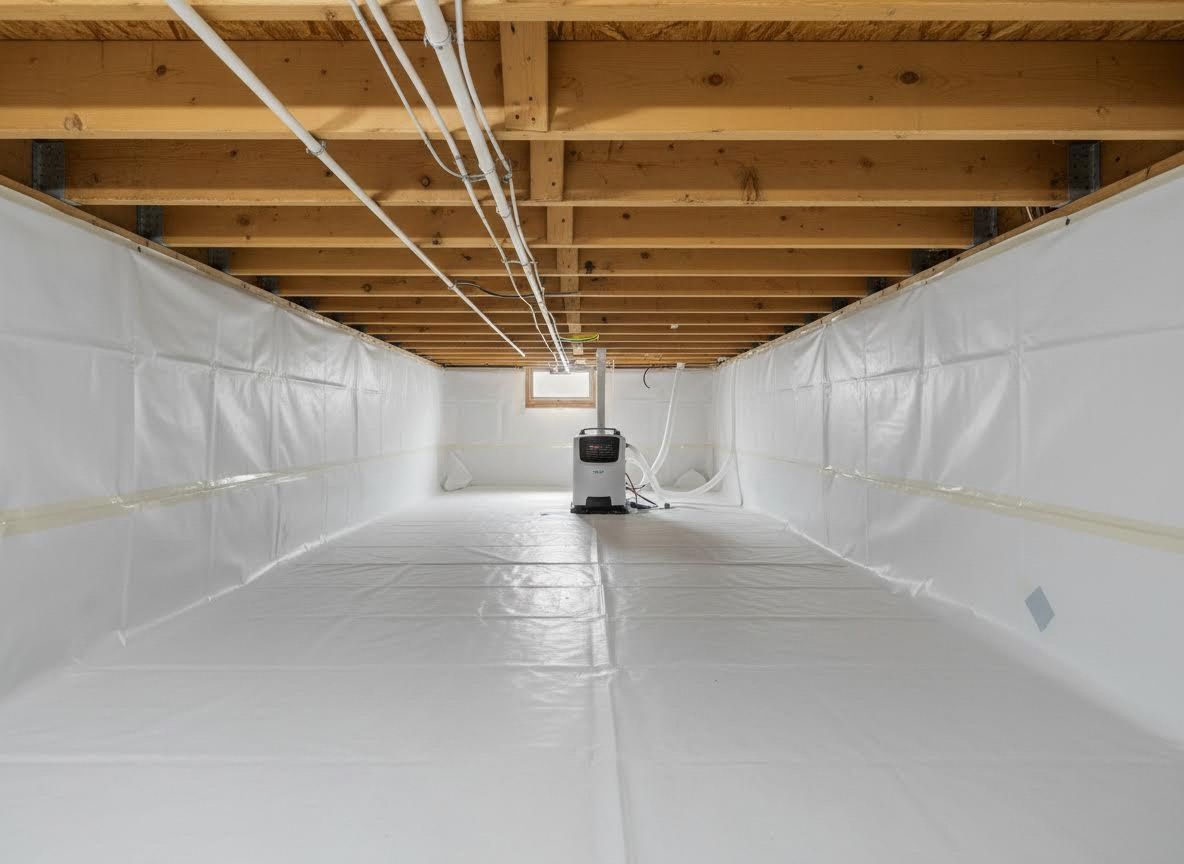
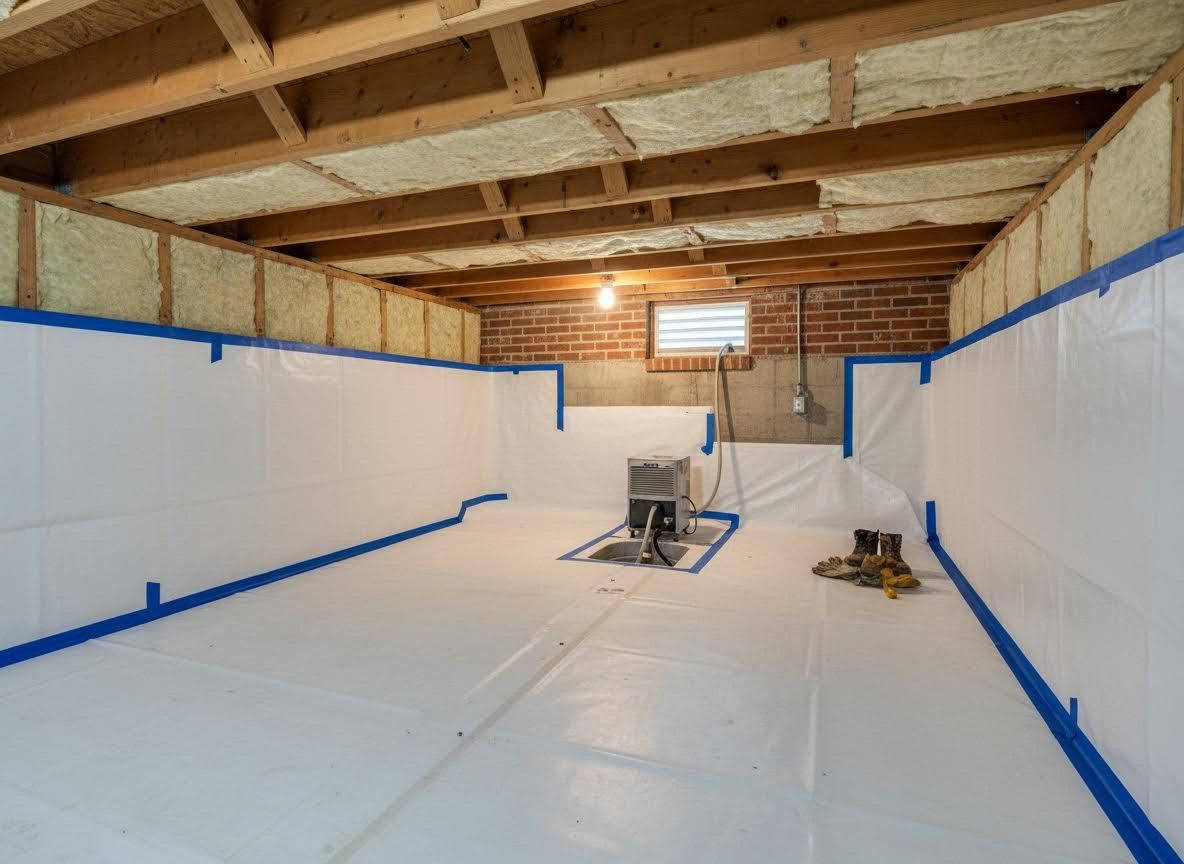
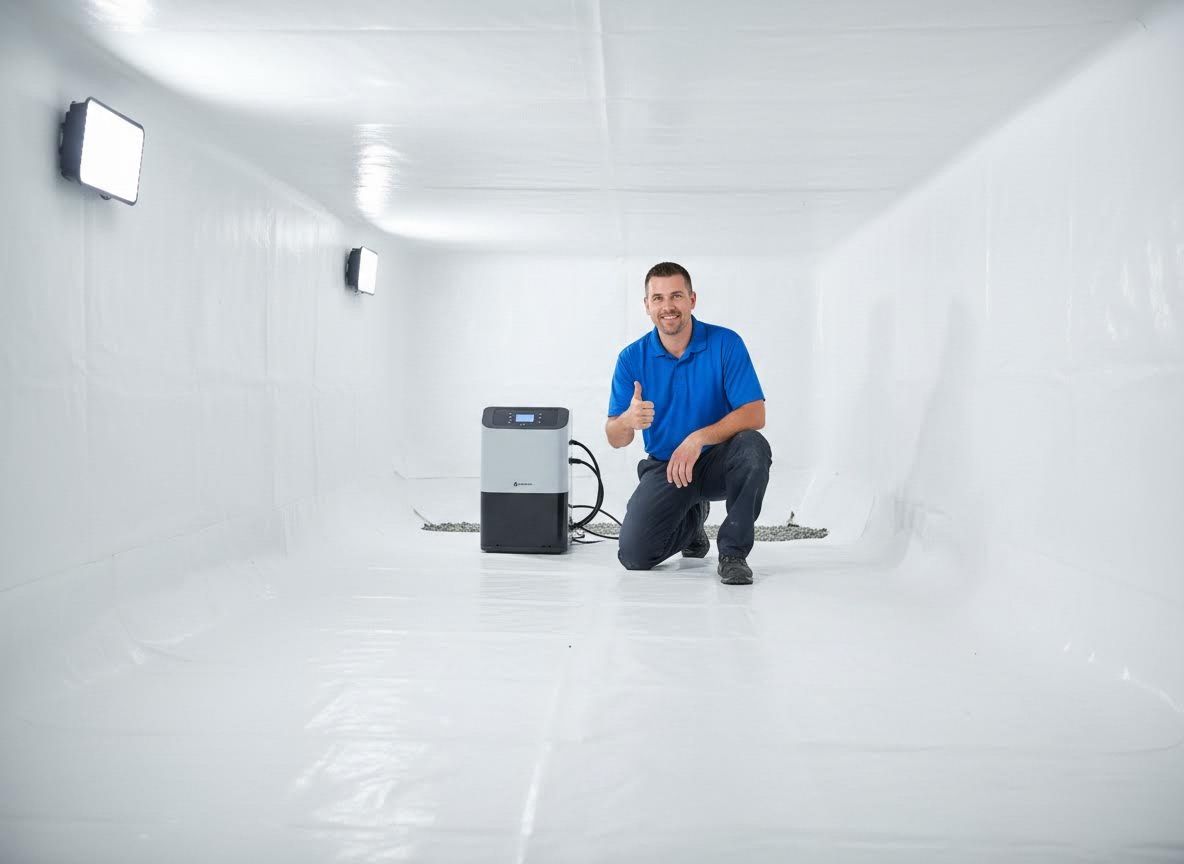
Effectively tackling crawl space moisture requires a multi-faceted approach. A primary step is establishing a sealed crawl space, which involves encapsulating the area with a heavy-duty vapor barrier that covers the ground and walls. This barrier physically blocks moisture from rising into the crawl space from the soil. Complementing this, proper crawl space insulation is crucial, as it helps regulate temperature and humidity levels, further preventing condensation and maintaining a stable environment. Together, these measures create a controlled, dry environment that deters mold growth, keeps pests away, and protects your home's foundation.
Managing Exterior Water to Protect Your Home
While internal solutions are vital, managing external water is equally important to prevent moisture from entering your crawl space in the first place. One highly effective method is french drain installation, which involves creating a trench around your home's perimeter to redirect excess groundwater away from the foundation. Additionally, ensuring your gutters are clear and correctly routed can prevent rainwater from pooling near your house. These exterior water management strategies work in tandem with interior solutions to form a robust defense against water intrusion, significantly reducing the risk of home moisture problems.
Addressing Foundation Stability with Moisture Control
Persistent moisture in the soil around and beneath your home can also contribute to foundation issues. When soil expands and contracts due to varying moisture levels, it can lead to shifting and settling of your home's foundation, resulting in uneven floors and cracked walls. In such cases, solutions like concrete leveling become essential to restore stability. By proactively controlling crawl space moisture and implementing exterior drainage, you not only protect against dampness but also contribute to the long-term stability and structural integrity of your home's foundation, preventing costly repairs down the line.
Protecting Your Investment with a Dry Crawl Space
Maintaining a dry crawl space is not just about addressing a single issue; it's about protecting your entire North Carolina home from a range of potential problems. From preventing structural damage and improving air quality to deterring pests, proactive moisture control is an investment in your home's longevity and your family's health. By implementing solutions like a sealed crawl space, proper crawl space insulation, french drain installation, and considering concrete leveling for foundation issues, you can ensure your property remains a safe and stable haven. Learn more about how EMC can help protect your home from the challenges of moisture.